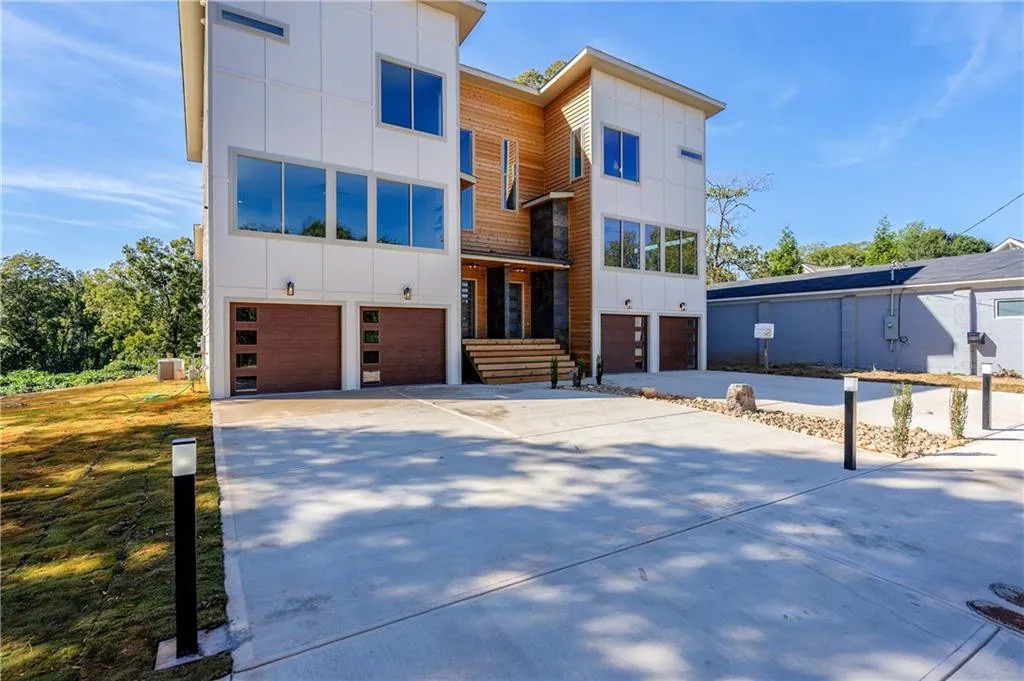
Wheelchair Accessible Construction in Build-to-Suit Projects
When designing a property that meets the unique needs of its occupants, accessibility should never be an afterthought. At Freedom Futures LLC, accessibility defines how we approach every build-to-suit project—from concept to completion.
We don’t retrofit. We PRO fit. We build accessible features that are elegant as they are functional.
The unique challenge of Accessible design has brought us stronger relationships with contractors and stakeholders.
Our company was founded with disabled members and stakeholders who understand, first-hand, that true inclusion starts with design. Over time, we have developed ground-to-roof wheelchair-accessible homes and guided policy makers shaping accessibility standards in commercial and governmental developments.
How the Unique Challenge of Accessibility Builds Teams
Accessibility challenges demand collaboration, communication, and creativity at every phase of a build-to-suit project. When developers, architects, contractors, and policy makers come together to create spaces that serve everyone, the process fosters stronger, more integrated teams. Meeting accessibility goals requires shared problem-solving and a unified commitment to purpose. At Freedom Futures LLC, this collaboration has strengthened relationships across the construction and policy sectors, creating teams that not only understand compliance but are passionate about inclusion as a measurable outcome. The challenge of accessibility builds teams that build differently—guided by empathy, precision, and innovation.
The Build-to-Suit Advantage for Accessibility
Wheelchair-accessible construction fits naturally into the build-to-suit definition because it eliminates compromise. A build-to-suit commercial property can incorporate ADA compliance, smart-access technology, and inclusive spatial design right from the blueprint phase.
Accessibility adds measurable value:
- Expands the usable workforce and clientele
- Demonstrates corporate responsibility and inclusivity
- Reduces retrofit costs in the future
Whether it’s an office campus, retail space, or healthcare facility, freedom of movement and universal design make spaces perform better for everyone.
Build-to-Suit vs. Build-Out
A common question during planning is: what’s the difference between build-to-suit vs build-out?
- A build-out typically modifies an existing space to meet new tenant requirements.
- A build-to-suit creates an entirely new structure, optimized from start to finish based on the end user’s vision and needs.
For accessibility-focused tenants, a build-to-suit path ensures that wheelchair navigation, ramp gradients, accessible bathrooms, and parking layouts are integrated seamlessly.
Examples of Build-to-Suit Accessibility
Freedom Futures has participated in build-to-suit examples ranging from single-family residences to adaptive multi-unit communities. Our focus extends into build-to-rent single-family homes designed with universal design principles that increase livability, independence, and investment longevity.
Every project we take on reflects our belief that accessibility and design excellence are not separate goals—they’re the same mission.
Inclusive Property Development Investment Opportunities
Accessibility opens doors for both people and investors. As industry standards evolve, property development investment opportunities that prioritize inclusivity are positioned for long-term stability and impact. Investors aligned with this mission see strong returns, both financially and socially.
At Freedom Futures LLC, our build-to-suit real estate model combines adaptive design, policy insight, and stakeholder experience to create properties that meet every user’s definition of freedom.